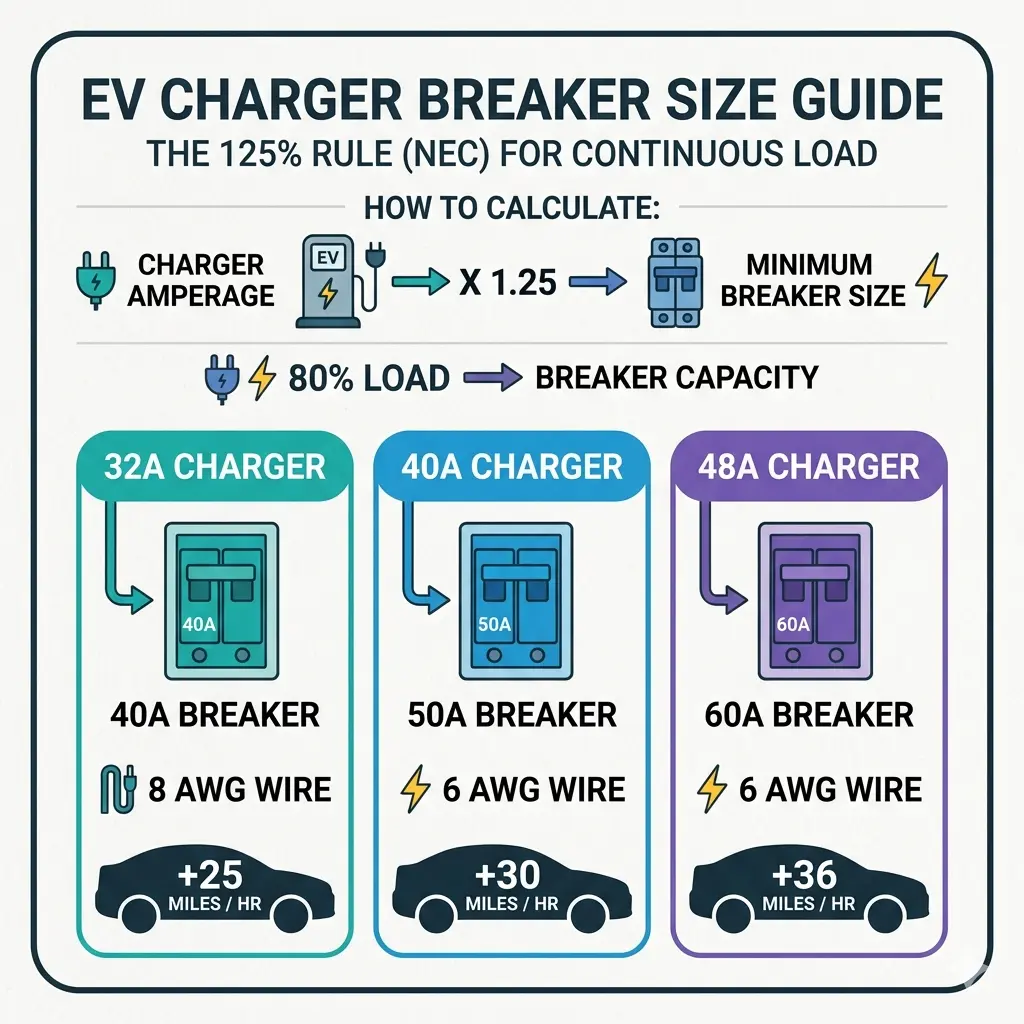
The 139th Canton Fair, convened in Guangzhou in April 2026, represents a transformative milestone for the global electrical industry, particularly within the low voltage circuit breaker and power distribution sectors. As the largest and most comprehensive trade event in the world, the fair has transitioned from a traditional marketplace for commoditized hardware into a sophisticated staging ground for what Chinese industrial policy terms “New Quality Productive Forces”. This shift is characterized by an intense focus on advanced manufacturing, artificial intelligence (AI) integration, and green, low-carbon technologies, moving away from the “world’s factory” model of low-cost production toward a leadership position in high-value, technology-intensive systems.
The Industrial Significance of the 139th Canton Fair
The scale of the 139th session is unprecedented, covering 1.55 million square meters and hosting more than 32,000 participating enterprises. For the low voltage electrical sector, Phase 1 is the critical period, emphasizing electronics, household appliances, and industrial automation. The fair serves as a vital barometer for China’s export strength and a primary channel for international buyers to source the next generation of electrical infrastructure.
| Metric | Details and Scale |
|---|---|
| Total Exhibition Area | 1.55 Million Square Meters |
| Total Booths | 75,700 |
| Participating Enterprises | Over 32,000 |
| First-Time Exhibitors | Approximately 3,900 |
| Overseas Buyer Pre-registrations | Over 210,000 as of April 9, 2026 |
The fair’s evolution reflects broader global trends: the acceleration of the energy transition, the rise of AI-driven data centers, and the deepening requirements for smart grid modernization. Within the halls of the Pazhou Complex, it is evident that the circuit breaker is no longer viewed as a static safety device but as an intelligent, data-generating node within a broader energy management ecosystem.
Overview of Low Voltage Electrical Exhibits and Innovation Drivers
The exhibition mix at the 139th fair has been optimized to reflect shifts in global trade and industrial development. The introduction of new zones for smart wearables, display technology, and consumer drones in Phase 1 underscores the convergence of digital technology and physical infrastructure. In the electrical equipment halls, over 60% of exhibitors have adopted next-generation technologies, including industrial internet applications, 5G solutions, and green production methods.
High-quality companies, including national high-tech enterprises and “single champion” firms—those dominating specific niche markets—have reached a new benchmark in representation. These firms are leading the transition toward higher voltage ratings, particularly in Direct Current (DC) applications, and the miniaturization of residential protection devices. The primary innovation drivers identified at the fair include:
- AI and Digital Transformation: The integration of AI into energy management platforms enables predictive maintenance and real-time efficiency optimization.
- Decarbonization and Green Power: The massive expansion into new energy sectors has led to specialized breakers for solar photovoltaics (PV) and Electric Vehicle (EV) charging infrastructure.
- Space and Resource Optimization: The drive for compact 1P+N designs and modular architectures addresses the increasing density of modern distribution boards.
- Supply Chain Resilience: A focus on materials like aluminum as a strategic alternative to copper, and the use of AgSnO2 to replace toxic cadmium-based contacts.
Key Trends Observed in Circuit Breaker Technology
The technological trajectory of low voltage circuit breakers at the 139th Canton Fair is defined by three major pillars: intelligence (Smart Breakers), spatial efficiency (Compact Design), and application-specific resilience (DC for Solar & EV).
The Ascendance of Smart Circuit Breakers and AI Integration
The integration of artificial intelligence and the Internet of Things (IoT) has redefined the functional boundaries of circuit breakers. Leading manufacturers like MAXGE and CNC Electric have unveiled solutions that transform power distribution from a reactive safety function into a proactive management strategy. These “Smart Connected Power” systems utilize sensors to monitor current, voltage, temperature, and power quality in real-time, transmitting this data to cloud-based platforms for analysis.
The benefits of this transition are quantifiable. Studies presented at the fair indicate that smart breakers capable of providing real-time diagnostic data can reduce downtime by significantly lowering the time required for troubleshooting. Furthermore, predictive maintenance algorithms can identify abnormal heat signatures or harmonic patterns before a fault occurs, potentially extending the lifespan of connected equipment and reducing repair costs by up to 30%.
| Smart Feature | Industrial Application | Future Prospect |
|---|---|---|
| Remote Monitoring | Unattended Telecom Sites/Solar Farms | Integration with 5G for near-zero latency control |
| Predictive Maintenance | Critical Data Centers/Hospitals | AI-driven fault forecasting to prevent system outages |
| Energy Analytics | Industrial Plants/Commercial Buildings | Granular load-shifting to optimize peak demand costs |
| Digital Twins | Urban Infrastructure/Grid Management | Real-time virtual modeling of physical assets |
Despite these advancements, the fair also highlighted challenges in the smart breaker segment. Reliability concerns remain a primary hurdle, with reports suggesting that approximately 30% of smart units have experienced failures during testing phases under extreme conditions. Manufacturers are addressing these issues through more rigorous quality control and the implementation of full-process digital workshops that control everything from precision manufacturing to advanced testing.
The Drive for Compact Design and Miniaturization
The increasing complexity of modern electrical systems has led to a shortage of space in traditional distribution boards. As residential and commercial buildings incorporate more surge protection devices (SPDs), smart meters, and EV chargers, the demand for space-saving protection has surged. The “1P+N in 9mm” (single pole plus neutral in a half-module width) trend was a major focus for exhibitors in the Miniature Circuit Breaker (MCB) category.
Miniaturization, however, poses significant engineering challenges, particularly regarding thermal management. A smaller device has less surface area to dissipate the heat generated by electrical resistance, which is critical during high fault current events. Industry studies suggest that circuit breakers with robust thermal properties can achieve a failure rate reduction of nearly 15%. To balance size and performance, manufacturers are experimenting with lightweight advanced composites and modular designs that allow for easier installation and maintenance without compromising safety.
DC Applications: Specialized Protection for Solar and EV Markets
The global transition to renewable energy has created a specialized and rapidly growing market for Direct Current (DC) circuit breakers. Solar photovoltaic systems are increasingly moving toward higher voltages—often 1000V to 1500V DC—to reduce cabling costs and improve overall system efficiency. This shift necessitates breakers capable of interrupting high-voltage DC arcs, which are more persistent and harder to extinguish than AC arcs.
Exhibitors like ONCCY and CNC Electric showcased a comprehensive range of DC protection products, including DC MCBs, DC Molded Case Circuit Breakers (MCCBs), and solar combiner boxes. A critical innovation in this space is the “non-polarized” breaker design. In systems involving battery energy storage (BESS), current flows in both directions—during charging and discharging. Non-polarized breakers are engineered to safely interrupt the circuit regardless of the current’s direction, a vital safety feature for modern energy storage applications.
| DC Breaker Type | Typical Voltage Rating | Key Application |
|---|---|---|
| DC MCB (EDB1-63) | 1000V – 1200V DC | Residential and Commercial Solar String Protection |
| DC MCCB | Up to 1500V DC | Utility-scale PV Arrays and BESS |
| Non-Polarized Breaker | 100V – 200V DC | Battery Storage and Inverter Protection |
| Rapid Shutdown Switch | System-level DC | Firefighter Safety in Rooftop PV Installations |
Furthermore, the fair emphasized “Firefighter Safety Switches” or Rapid Shutdown Systems. These devices are designed to instantly de-energize solar panels during emergencies, ensuring that high-voltage DC wiring—which can reach 1000V—is isolated from the building to prevent electrocution risks for first responders.
Price Trends and Supply Chain Signals: The 2026 Raw Material Crisis
The electrical industry enters mid-2026 facing an unprecedented raw material crisis. The cost of manufacturing low voltage circuit breakers is inextricably linked to the prices of silver and copper, both of which have experienced historic volatility over the past eighteen months.
The Silver and Copper Price Shock
Silver is a critical component in the production of electrical contacts due to its unmatched conductivity and arc resistance. Traditionally, AgSnO2 (silver tin oxide) has been the industry standard material for contacts. However, silver prices exploded from approximately $29 per ounce in early 2025 to over $120 per ounce in early 2026, driven by structural supply deficits and spiking demand from the solar and AI sectors. Silver now accounts for more than 70% of the combined silver-copper cost in low voltage equipment.
Copper, essential for current-carrying busbars, electromagnetic coils, and power terminals, has also reached record territory. Prices briefly exceeded $14,500 per tonne in early 2026, having passed $12,000 only months prior. This “secondary squeeze” is driven by the AI data center race; a single high-performance data center can require four times more copper than a traditional facility.
| Material | Jan 2025 Price | 2026 Forecast/Peak | Year-on-Year Increase |
|---|---|---|---|
| Copper (LME) | ~$8,000 – $9,000/ton | $12,000 – $14,500/ton | +40% – 60% |
| Silver | ~$29/oz | $72 – $120/oz | +147% – 310% |
The impact on manufacturing is direct and severe. For a standard 200A contactor with 46 grams of silver, the material cost alone increased by over $60 per unit. In silver-intensive products, raw material costs have risen by more than 120% year-on-year, forcing manufacturers to either compress margins or risk losing orders by passing costs to buyers.
Supply Chain Resilience and Substitution Strategies
The industry is responding to these pressures through two primary strategies: substitution and structural supply chain changes. Aluminum has emerged as a strategic alternative to copper for large-scale busway systems and distribution panels. While aluminum has lower conductivity (61% IACS vs. 100% IACS for silver), its price-to-conductivity ratio has become increasingly attractive.
Furthermore, manufacturers are moving away from “monthly spot-buying” of metals toward 12-to-18-month “blanket agreements”. In this model, material is staged and ready for release, guaranteeing project uptime and insulating manufacturers from intraday price spikes. This shift signals an end to the “Just-in-Time” procurement era in the electrical sector, replaced by a focus on supply chain security as a competitive advantage.
What Buyers and Electricians Are Looking For
Buyer behavior at the 139th Canton Fair indicates a sophisticated market where technical specifications and reliability often outweigh price-only considerations. Buyers from high-growth regions like the Middle East (Saudi Arabia, Iraq) and Africa (Nigeria) have become key drivers of demand.
The Prioritization of Quality and Reliability
Professional electricians and B2B buyers have become highly vocal about build quality issues. Feedback from technical buyers highlights that “zero resistance between terminals” and precision manufacturing are highly valued. Conversely, complaints about “crappy workmanship” or “minor code violations” can quickly destroy a manufacturer’s brand reputation in the age of digital transparency.
There is a measurable preference for “Verified Suppliers” who can provide documented quality control measures. Buyers are increasingly wary of defective breakers being sold as new, and they rely on programs like Alibaba.com’s Verified Supplier and Trade Assurance to mitigate these risks.
Certification as a Non-Negotiable Requirement
In 2026, certification compliance has become the primary barrier to market entry. Commercial buyers face significant audit requirements, and products must have the correct certifications for their specific installation location or face legal and compliance violations.
- IEC Standards: IEC 60898-1 remains the baseline for residential MCBs, while IEC 60947-2 is required for industrial applications.
- Saudi Arabia (SASO): This market has seen a 67% year-on-year increase in buyers, and SASO approval is now essential for legal sale and installation.
- European Market (CE): Compliance with the Low Voltage Directive (LVD) 2014/35/EU and the EMC Directive 2014/30/EU is mandatory.
- North America (UL): While IEC alignment is high globally, the North American market continues to prefer UL 489 certifications.
Compatibility and Educational Content
Compatibility with local installation practices remains a significant pain point. Exporters who provide region-specific mounting hardware—such as standard US-sized screws instead of purely metric options—see higher repeat business. Additionally, technical knowledge gaps among buyers often lead to procurement mistakes, such as specifying the wrong trip curve. Suppliers who provide educational content, clear technical documentation, and help buyers understand the difference between Type B and Type C curves are building higher levels of trust and credibility.
Competitive Landscape: Global Giants vs. Chinese Innovators
The 139th Canton Fair highlights a fierce competitive landscape where traditional market leaders like Schneider Electric and ABB are being challenged by rapidly evolving Chinese brands like Chint and Delixi.
Schneider Electric and the Ecosystem Advantage
Schneider Electric maintains a dominant position in the global low voltage market with a 15% share, bolstered by its EcoStruxure IoT platform. This ecosystem creates significant customer lock-in by connecting all system layers and generating high-margin recurring software revenue. Schneider’s ability to offer integrated solutions that optimize energy consumption and production processes simultaneously remains a high barrier to entry for many rivals.
The Rise of Chint and Delixi
Chinese firms like Chint Group and Delixi Electric have transformed from low-cost providers into disruptive high-tech forces. They compete aggressively on price in Asian and emerging markets but are increasingly pressuring the market share of established giants through technological innovation. Chint, for instance, now offers a wide portfolio of IEC and UL-certified air circuit breakers to meet diverse global requirements. Delixi New Energy Technology has refined its manufacturing processes to focus on precision motors and gearboxes for industrial automation, segments traditionally dominated by European or Japanese firms.
Specialized Benchmarks and “Single Champions”
The fair also showcased “single champion” SMEs that dominate specific technical niches. Companies like MAXGE Electric have established comprehensive systems supported by high-standard digital workshops, focusing on the “Smart Connected Power” niche. ONCCY’s specialization in DC photovoltaic protection has allowed it to become a supplier to global industry leaders like SMA and ABB, demonstrating that vertical expertise can compete effectively against broad-scale conglomerates.
Market Forecast and Key Takeaways for 2026-2030
As the 139th Canton Fair concludes, several definitive trends emerge that will shape the electrical industry through the end of the decade.
Continued Market Growth and Segment Shifts
The global high voltage circuit breaker market is projected to reach $8.60 billion by 2036, growing at a CAGR of 9.1%. The low voltage segment is similarly robust, with the global DC circuit breaker market expected to grow from $5.88 billion in 2026 to $10.35 billion by 2034. The Air Circuit Breaker (ACB) segment is expected to hold a leading 41.7% share by 2026, driven by demand for high current ratings and easier maintenance in utility and industrial applications.
The Dominance of “New Energy” and Smart Infrastructure
The integration of renewable energy sources—wind and solar—is the primary driver for more robust, efficient fault protection systems. As solar adoption increases, circuit breakers will increasingly be bundled with energy storage solutions and intelligent energy management platforms. The “AI revolution” will continue to exacerbate the demand for copper, potentially leading to a structural deficit of 30% by 2035 if supply cannot be increased.
| Segment Growth Drivers | Impact on 2026 Market |
|---|---|
| AI Data Center Race | Drives unprecedented demand for copper-heavy distribution |
| Smart Grid Modernization | Accelerates the adoption of IoT-connected breakers |
| Renewable Integration | Mandates 1500V DC protection and non-polarized interruption |
| Emerging MEA Markets | Creates a surge in SASO and IEC-certified procurement |
Practical Recommendations for Industry Participants
For manufacturers, the 139th Canton Fair underscores the necessity of moving beyond hardware. Success will require the development of AI-powered energy management software and the achievement of global certification portfolios (UL, CE, IEC, SASO).
For buyers and electricians, the focus must be on balancing cost and quality. The current raw material crisis means that “cheap” products likely compromise on silver or copper content, leading to higher failure rates and potential fire hazards. Verifying supplier legitimacy through credit reports and sample inspections remains the most effective way to mitigate these risks.
Conclusion
The 139th Canton Fair represents a definitive shift toward an “Age of Electricity” characterized by intelligence, sustainability, and high-value manufacturing. The traditional circuit breaker has been reinvented as a core component of the global tech stack—essential for the AI revolution, the green energy transition, and the expansion of smart urban infrastructure. While the industry faces severe headwinds from raw material volatility, the fair demonstrates that technological innovation and strategic supply chain management offer a path toward long-term resilience and growth. The exhibitors at Guangzhou have painted a compelling portrait of Chinese smart manufacturing, positioning it not just as a supplier to the world, but as the primary architect of its future electrical ecosystem.
Source
Seller Alibaba-Circuit breaker attribute configuration guide alibaba b2b
CNC Electric-CNC Electric at 139th Canton Fair
People Electric-Top 10 Oil Breaker Switch Features at the 139th Canton Fair?
Technode.global-A Look at the Highlights from Phase 1 of the 139th Canton Fair
Viox-silver copper dependence ranking contactors breakers relays
ExamineChina-139th Canton Fair: A Practical Global Sourcing Checklis