Amidst the acceleration of the global energy transition, digitalization, and electrification, low voltage (LV) electrical components are evolving from passive protection devices into intelligent nodes. This market encompasses all equipment performing switching, control, protection, and monitoring functions under AC 1000V or DC 1500V. With the surge in distributed energy, electric vehicle (EV) infrastructure, and hyperscale data centers, the technical complexity and value chain of this sector are being redefined.
1. Product Panorama: Protective and Control Equipment
Modern power systems require precise protection beyond traditional breakers to ensure safety in solar, storage, and residential applications.
1.1 Core Power Distribution and Protection
- Miniature Circuit Breakers (MCB): The most widely used terminal protection for residential and commercial end-circuits, providing overload and short-circuit protection.
- Moulded Case Circuit Breakers (MCCB): Serve higher current ratings (15A to 2500A) with adjustable trip settings and higher breaking capacities, often used in industrial and large commercial secondary distribution.
- Air Circuit Breakers (ACB): The main switches for LV distribution systems, rated up to 6300A. Modern ACBs, like Schneider’s MasterPacT MTZ Active, act as energy management terminals monitoring harmonics and thermal stress .
- Residual Current Devices (RCCB/RCBO): Essential for personnel protection. RCBOs combine overcurrent and leakage protection in a single unit, which is increasingly critical for space-constrained panels.
1.2 Specialized Integrated Equipment
- Control and Protective Switching Devices (CPS): Highly integrated units combining functions of breakers, contactors, and relays, commonly used in industrial motor control centers (MCC).
- Arc Fault Detection Devices (AFDD): Detect dangerous micro-arcs caused by aging wires or loose connections—faults that traditional MCBs cannot identify. They are becoming mandatory in many European and North American building codes.
- Surge Protection Devices (SPD): Safeguard sensitive electronics from lightning or switching overvoltages, accounting for approximately 52% of residential panel installations.
2. Global Market Capacity and Competitive Landscape
The global market is witnessing steady growth driven by industrial automation and smart grid modernization.
2.1 Market Sizing and Forecasts
The global low voltage circuit breaker market was valued at $17.23 billion in 2024 and is projected to reach $27.81 billion by 2032, representing a CAGR of 7.3%.
| Segment | 2024 Valuation (USD) | 2030-2032 Forecast (USD) | CAGR |
|---|---|---|---|
| Global LV Circuit Breakers | 17.23 Billion | 27.81 Billion (2032) | 7.3% |
| LV Protection & Control | 18.05 Billion | 28.48 Billion (2032) | 5.9% |
| Smart Electronic Breakers | ~6.5 Billion | 12.53 Billion (2035) | 4.5% |
| LV DC Circuit Breakers | ~1.80 Billion | 2.52 Billion (2030) | 7.0% |
2.2 Core Competitors and Strategies
The market is highly consolidated, with the top five giants—Schneider Electric, Siemens, ABB, Eaton, and Mitsubishi Electric—controlling approximately 40% to 48% of the global share.
- Schneider Electric (~13% share): Focuses on “Electrical, Decarbonization, and Digitalization” through its EcoStruxure platform.
- Siemens (~14% share): Leads with deeply integrated Industry 4.0 architectures and software-hardware synergy.
- ABB: Specializes in DC protection for solar and BESS, emphasizing circular economy and sustainable manufacturing.
- Chint Group: The only Chinese brand in the first-tier with market share exceeding $1.38 billion, expanding rapidly in solar and utility sectors across 140 countries.
2.3 Regional Performance
- Asia-Pacific (APAC): The dominant region, contributing ~60% of global revenue. China is the primary driver due to its massive industrial base and “East-to-West Computing” data center projects.
- North America and Europe: Mature markets focused on grid modernization and building retrofits. The U.S. market emphasizes UL 489 standards, while Europe adheres to strict IEC 60947 safety and ESG regulations.
3. Key Opportunities: New Energy and DC Revolution
3.1 The Direct Current (DC) Wave
Solar PV and Battery Energy Storage Systems (BESS) are driving the shift toward DC architectures. As PV systems upgrade to 1500V DC, breakers must handle higher insulation and breaking requirements.
- Solid-State Circuit Breakers (SSCB): Offering microsecond fault-clearing without mechanical wear, SSCBs are becoming ideal for DC microgrids and EV superchargers.
3.2 Data Centers and AI Infrastructure
AI-driven workloads have increased data center power density significantly. This requires “Zero-Downtime” smart breakers capable of health self-diagnostics. Global data centers consumed approximately 110 million breaker units in 2023 alone.
3.3 EV Charging Ecosystem
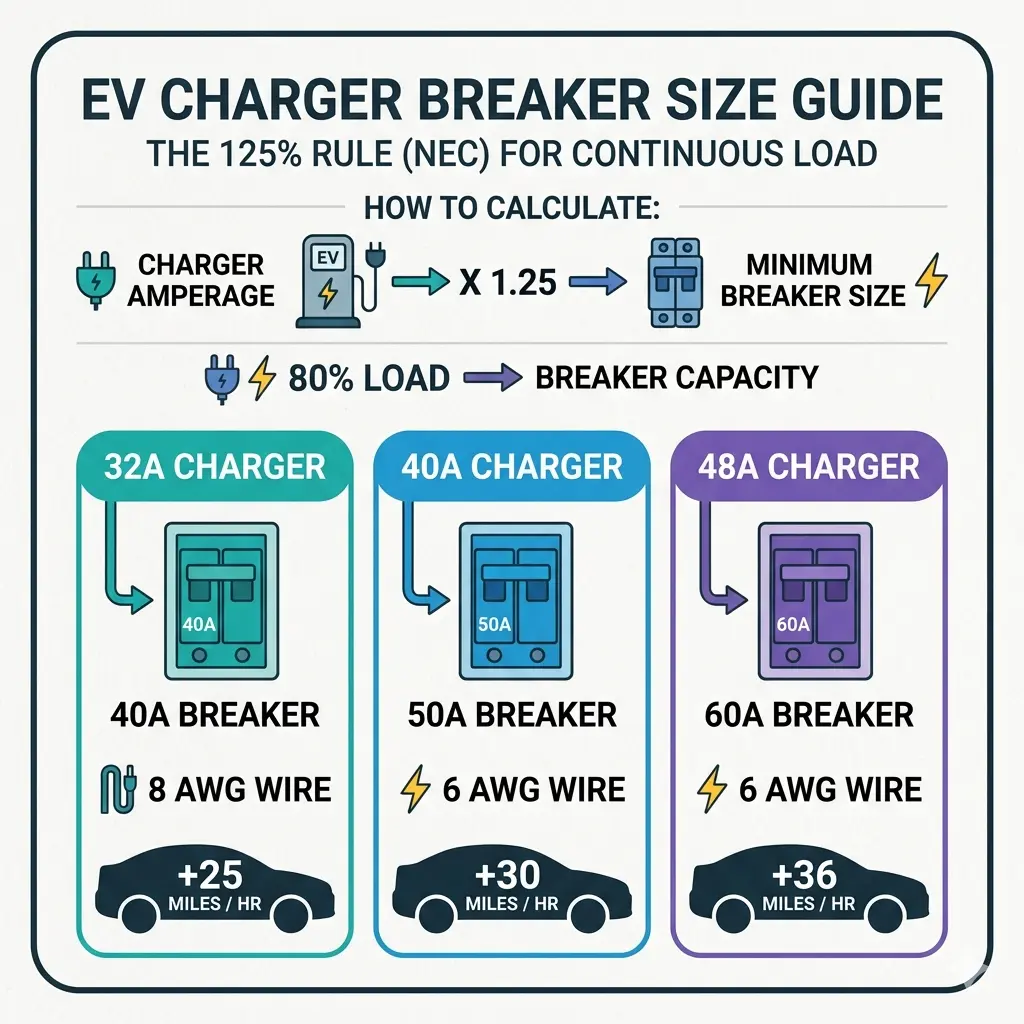
With over 1.3 million public chargers added in 2024, the demand for Type B RCDs (capable of detecting DC leakage) and high-specification DC-MCCBs has surged.
4. Technical Trends: IoT, Smart Breakers, and Edge Computing
Traditional mechanical switches are being replaced by “Smart IoT Breakers” .
- High-Frequency Sampling: Devices monitor voltage, current, and temperature thousands of times per second.
- Edge AI: Local algorithms can distinguish between a motor’s normal inrush current and a dangerous fault, reducing nuisance tripping.
- Predictive Maintenance: Sensors detect rising contact resistance or insulation degradation, moving maintenance from “reactive” to “predictive”.
5. Supply Chain and Raw Material Challenges
The industry is facing a massive cost shock due to the volatility of silver and copper, core materials for contacts and conductors .
| Raw Material | Price Surge (since July 2025) | Role in Equipment | Cost Impact |
|---|---|---|---|
| Silver (Ag) | > 427% | Contacts (AgSnO2) | 25-55% of Contactor material costs |
| Copper (Cu) | > 140% | Busbars, Coils, Terminals | 45-62% of MCCB material costs |
This has forced manufacturers toward “Dynamic Pricing” and accelerated the search for silver-alternative contact materials .
6. Sustainability and Circular Manufacturing
Leading manufacturers are adopting a “Cradle-to-Cradle” lifecycle approach.
- Eco-Design: Use of bio-based plastics and recycled steel (e.g., ABB’s partnership with ArcelorMittal for XCarb® steel).
- Retrofitting (EcoFit): Instead of full replacement, companies like Schneider upgrade 10-15 year-old panels with digital sensing layers, reducing waste by 90% and extending asset life .
- SF6 Alternatives: Transitioning to vacuum or dry-air insulation to eliminate potent greenhouse gases in switchgear.
7. Strategic Outlook
The next decade of the LV electrical market will be defined by three pillars:
- Software-Defined Hardware: Connectivity and AI diagnostics will be the primary differentiators, moving the industry toward a “Digital Twin” model .
- DC High-Ground: Mastery of high-voltage DC protection (SSCB and Hybrid breakers) will be the key to capturing the renewable and EV market premiums.
- Circular Resilience: Companies that master material recycling (silver/copper recovery) and green manufacturing will lead the ESG-driven procurement landscape.