Introduction: Why Solar Power Systems Need Electrical Protection
As the global transition to renewable energy accelerates, solar photovoltaic (PV) systems have become a cornerstone of modern electrical infrastructure. However, the integration of solar power introduces unique electrical hazards that demand specialized safety measures. Unlike traditional grid-supplied electricity, solar panels generate continuous direct current (DC) as long as sunlight is present, creating distinct challenges for isolation and fault management. Without adequate solar electrical protection, these systems pose significant risks of fire, equipment damage, and electrical shock. For professional electricians and contractors, understanding and implementing robust protection protocols is not just a matter of compliance, but a fundamental requirement for system longevity and life safety.
What Are Protection Devices in Solar Power Systems?
Solar protection devices are specialized electrical components designed to detect abnormal conditions in a PV network and safely interrupt the flow of electricity. These PV system safety devices serve as the critical line of defense against multiple operational hazards. Primary risks include overcurrent (when current exceeds the system’s rated capacity), short circuits (an unintended low-resistance path causing massive current spikes), earth leakage (current escaping to ground, risking electrocution), surges (sudden voltage spikes often caused by lightning), and reverse current (when current flows backward into the solar panels, potentially destroying them). Implementing the correct solar power protection components mitigates these hazards, ensuring that both the DC generation side and the alternating current (AC) distribution side operate within safe parameters.
Quick Answer / AI Summary
Solar power systems require multiple protection devices including MCBs, MCCBs, RCCBs, DC circuit breakers, and surge protection devices. These components protect solar installations from overloads, short circuits, leakage currents, and lightning surges, ensuring safe and reliable system operation.
What Are the Key Protection Devices Used in Solar Power Systems?
A properly engineered solar installation relies on a coordinated suite of protective devices. Understanding the distinct function of each device enables electrical distributors to stock the right inventory and allows contractors to design safe, compliant systems.
MCB (Miniature Circuit Breaker) in Solar Systems
The Miniature Circuit Breaker (MCB) is a fundamental component for low-voltage AC protection. Its primary function is to protect the AC wiring and connected loads from overcurrent and short circuits. In a solar system, MCBs are typically installed on the AC side of the inverter, protecting the circuit that connects the inverter to the main distribution board. They are essential for preventing cable overheating and electrical fires caused by prolonged overloads.
MCCB (Molded Case Circuit Breaker) in Solar Installations
For larger commercial or industrial solar installations, the Molded Case Circuit Breaker (MCCB) takes the place of, or supplements, the MCB. MCCBs handle much higher current ratings (often up to 2500A) and offer adjustable trip settings. They are used for main circuit protection, guarding the main AC output of large-scale inverters or serving as the primary point of isolation at the main switchboard. Their robust breaking capacity ensures they can safely clear massive fault currents.
RCCB (Residual Current Circuit Breaker) for Leakage Protection
The Residual Current Circuit Breaker (RCCB) is strictly dedicated to detecting earth leakage faults. By monitoring the balance of current between the live and neutral conductors, an RCCB immediately trips the circuit if it detects a dangerous imbalance, which indicates current leaking to ground. In solar installations, RCCBs are crucial for preventing electric shock to users and maintenance personnel, typically installed in the AC load circuits and sometimes specifically required by local regulations at the inverter AC output.
RCBO (Residual Current Breaker with Overcurrent Protection)
The RCBO combines the functions of an MCB and an RCCB into a single device. It provides dual protection against overloads/short circuits and earth leakage. Electrical contractors often prefer RCBOs in residential solar systems to save space in the distribution board and to isolate faults to a single circuit, ensuring that a leakage fault on the solar inverter circuit does not unnecessarily trip the entire home’s power.
DC Circuit Breakers in Solar PV Systems
Standard AC breakers cannot safely extinguish the continuous electrical arcs generated by high-voltage DC current. DC Circuit Breakers are specially engineered with arc-extinguishing chambers to handle direct current safely. They provide critical DC side protection for the PV array, defending against reverse currents and isolating the solar panels from the inverter during maintenance or emergencies. They are typically installed in a combiner box near the PV array and adjacent to the inverter’s DC input.
Surge Protection Devices (SPD) for Solar Systems
Solar panels, being mounted on roofs or open fields, are highly susceptible to lightning strikes and grid-induced voltage transients. Surge Protection Devices (SPDs) safely divert these excess voltage spikes directly to the ground system before they can damage sensitive inverter electronics. A comprehensive solar system requires both DC SPDs (protecting the PV array and DC side of the inverter) and AC SPDs (protecting the AC side of the inverter and the building’s electrical network).
Main Switch / Isolator in Solar Systems
While not a device that trips automatically under fault conditions, the Main Switch or Isolator is a mandatory safety component. It provides a manual means of safely disconnecting the system under full load. AC isolators are placed near the inverter’s output, while DC isolators are situated between the solar panels and the inverter. They are indispensable for emergency power-downs and routine system maintenance.
How Do Low Voltage Circuit Breakers Protect Solar Installations?
Low voltage circuit breakers are the authoritative safeguard in any electrical layout. In solar PV systems, their role is elevated due to the dual-source nature of the power (grid and solar) and the persistent nature of DC generation.
What Is a Low Voltage Circuit Breaker?
A low voltage circuit breaker is defined as an automatically operated electrical switch designed to protect an electrical circuit from damage caused by excess current, operating within systems rated up to 1000V AC or 1500V DC. In PV systems, these devices monitor the flow of power. When a fault is detected, the internal mechanisms (either thermal bimetallic strips for overload or magnetic coils for short circuits) rapidly open the contacts, severing the connection and isolating the hazardous fault from the rest of the electrical infrastructure.
How MCBs Protect Solar Power Systems from Overcurrent
When an inverter outputs more current than the system wiring is rated to handle, overcurrent occurs. The thermal trip mechanism within the MCB slowly heats up and breaks the circuit, preventing insulation degradation and fires. In the event of a sudden short circuit, the magnetic mechanism trips instantaneously. This provides comprehensive inverter protection and AC distribution protection, ensuring the safety of the household or commercial property’s main electrical panel.
How DC Breakers Protect Solar Panels and Batteries
DC breakers are vital for extinguishing the persistent DC arc that forms when a direct current circuit is broken under load. Furthermore, if a solar array consists of multiple parallel strings, a shaded or damaged string can cause reverse current to flow from the healthy strings into the compromised one, leading to overheating and potential panel fires. DC breakers detect this reverse flow and isolate the string. In hybrid systems, they also provide crucial battery protection, isolating the high-capacity energy storage from the inverter during short circuits.
Where Are Circuit Breakers Installed in Solar Systems?
To maximize safety, protection devices must be strategically located at key transition points in the system. The critical solar system protection points include:
- PV array protection: DC breakers located in the combiner box near the panels to protect individual strings.
- Inverter protection: DC breakers at the inverter input and AC breakers at the inverter output.
- Battery protection: High-current DC breakers situated immediately adjacent to the battery bank terminals.
- AC distribution protection: MCBs, RCBOs, and main switches located in the main consumer unit tying the solar system to the grid.
What Are Common Electrical Protection Mistakes in Solar Installations?
Despite stringent regulations, installation errors remain a primary cause of solar system failures. Electrical contractors must be vigilant to avoid these common pitfalls.
Using AC Breakers Instead of DC Breakers
One of the most dangerous, yet frequent, mistakes is utilizing an AC circuit breaker on the DC side of a solar system. AC current naturally drops to zero volts 50 to 60 times a second, which naturally helps extinguish an electrical arc when breaker contacts open. DC current has no such zero-crossing point. An AC breaker cannot extinguish a high-voltage DC arc; instead, the arc will persist across the contacts, rapidly melting the breaker casing and frequently causing an electrical fire.
Incorrect Breaker Current Rating
Breaker sizing mistakes lead to either nuisance tripping or dangerous overheating. If an MCB is rated too low, the system will frequently disconnect during peak sunlight hours. If it is rated too high (e.g., using a 40A breaker on wire rated for 20A), the breaker fails to protect the conductor, leading to melting insulation. Contractors must ensure the breaker rating meticulously matches the continuous output rating of the inverter and the ampacity of the conductors.
Missing Surge Protection Devices
Failing to install SPDs leaves the entire investment vulnerable. Solar panels are highly exposed to the elements, increasing lightning risk. Furthermore, power grid disturbances can send surges backward into the home. Without SPDs, these transient overvoltages can instantly destroy the sensitive microprocessors within the solar inverter, leading to complete system failure and costly replacements.
No Residual Current Protection
Omitting an RCCB or RCBO bypasses critical life-safety measures. Solar systems installed in damp environments or with aging wire insulation are prone to leakage current risks. Without residual current protection, the metallic frames of solar panels or the inverter casing could become energized, creating a lethal safety hazard for anyone touching the equipment.
How to Choose the Right Protection Devices for a Solar System
Proper selection of protection devices requires a thorough understanding of system specifications and local electrical codes. Electrical distributors should guide contractors based on these critical parameters.
How to Select the Correct Circuit Breaker Rating
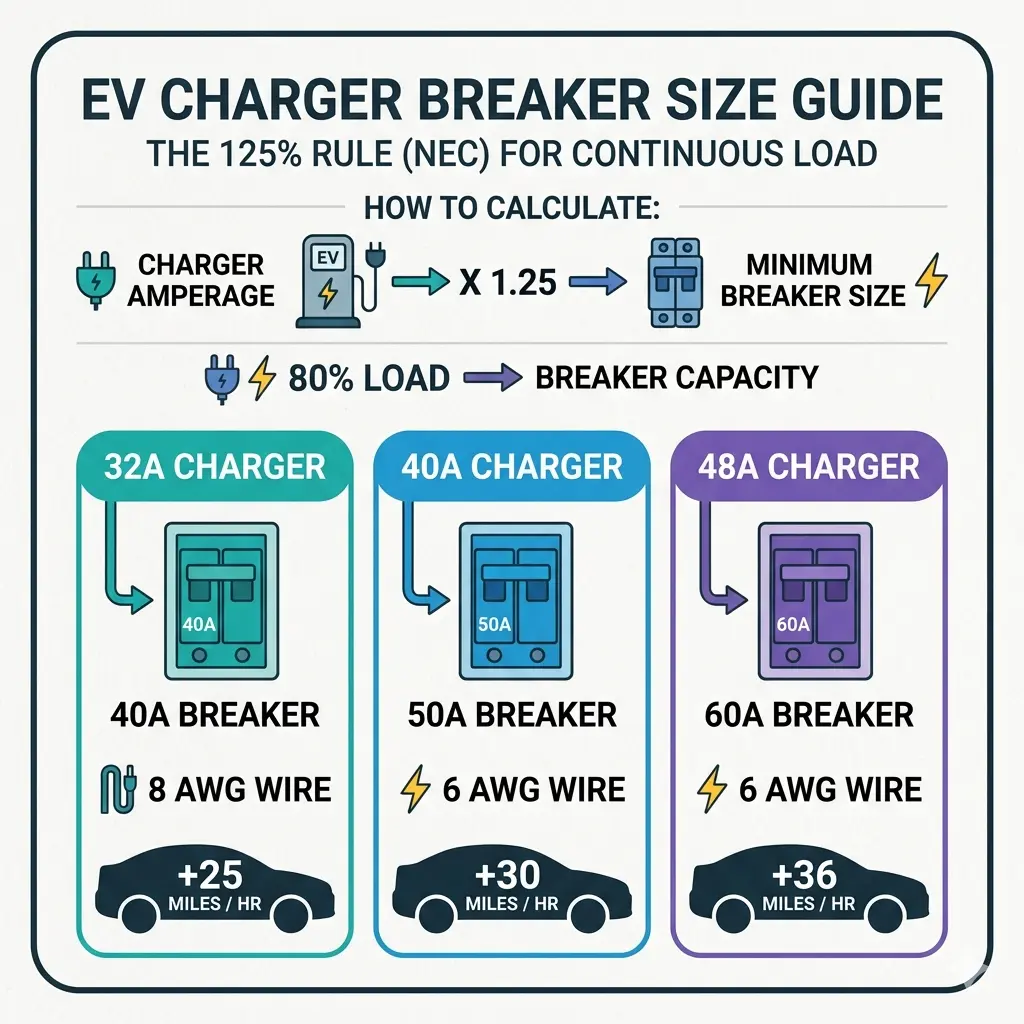
When choosing an AC breaker (MCB or MCCB), three main factors apply. The current rating (Amperage) must safely carry the continuous maximum output of the inverter multiplied by standard safety margins (typically 125%). The voltage rating must exceed the maximum operational voltage of the grid. Finally, the breaking capacity (often measured in kA) must be sufficient to interrupt the maximum prospective short-circuit fault current at the installation point without the breaker destroying itself.
How to Choose DC Breakers for Solar Panels
Selecting DC breakers is highly specialized. The operational PV voltage must dictate the breaker selection; a residential string might run at 500V DC, whereas commercial systems run up to 1500V DC. The breaker must be explicitly rated for that DC voltage. The string current determines the amperage rating. Additionally, the specific DC arc rating and physical internal arc chutes must be verified by the manufacturer for solar PV application.
What Protection Devices Are Required for Residential Solar Systems?
A standard compliant residential setup requires a coordinated package of devices. A typical residential solar protection setup includes:
- DC Breaker / Isolator: Protecting the feed from the roof to the inverter.
- Inverter Breaker (MCB): Sized to the inverter’s maximum AC output.
- RCCB / RCBO: Providing earth leakage protection for the solar circuit.
- SPD (Surge Protection Device): Both DC and AC side to guard against lightning.
- Main Isolator: Readily accessible for emergency disconnection.
For distributors and contractors, practical buying considerations should also include regulatory standards compliance (such as IEC 60947-2 or UL 489), reliable supply chain availability, and comprehensive manufacturer documentation for successful commissioning and inspections.
Solar Protection Device Comparison Table
The following table provides a quick reference guide for professionals to understand the deployment of various protection components within a PV infrastructure.
| Device | Function | Protects Against | Typical Installation |
|---|---|---|---|
| MCB | Overcurrent protection | Overload / short circuit | AC distribution / Inverter AC out |
| MCCB | High current protection | Large faults / overloads | Main distribution (Commercial) |
| RCCB | Leakage protection | Electric shock / earth faults | AC load circuits |
| RCBO | Combined protection | Leakage + overcurrent | Final residential circuits |
| DC Breaker | DC specific protection | Reverse current / DC arc faults | PV side / Battery bank |
| SPD | Surge protection | Lightning / voltage spikes | System entrance (DC & AC sides) |
Frequently Asked Questions About Solar Protection Devices
What protection devices are required in a solar power system?
Solar systems typically require DC circuit breakers, AC circuit breakers (MCBs or MCCBs), surge protection devices (SPDs), and residual current protection (RCCBs or RCBOs) to ensure safe operation against various fault conditions.
Why are DC circuit breakers required in solar systems?
DC circuit breakers are mandatory because standard AC breakers cannot safely break a direct current circuit. DC current carries a severe DC arc risk when interrupted under load. Specialized DC breakers contain magnetic arc chutes designed to stretch and extinguish this arc safely.
What is the difference between MCB and MCCB in solar installations?
The primary differences are current capacity and application. MCBs (Miniature Circuit Breakers) are used for lower current applications (typically up to 125A) in residential or light commercial systems. MCCBs (Molded Case Circuit Breakers) are designed for heavy-duty applications, handling up to 2500A with adjustable trip settings for large commercial arrays.
Do solar systems need surge protection devices?
Yes. Due to the high lightning risk associated with rooftop or field-mounted panels, and the potential for grid instability, Surge Protection Devices are critical. They protect the highly sensitive electronics inside the inverter from sudden, destructive voltage spikes.
Where should circuit breakers be installed in a solar system?
Circuit breakers should be strategically installed at all major power transition points: at the PV array (combiner box), at the inverter’s DC input and AC output, at the battery storage terminals, and within the main AC distribution board interfacing with the grid.
How do I know what size breaker to use for my solar inverter?
The breaker size must be calculated based on the maximum continuous AC output current of the inverter. Most electrical codes recommend sizing the breaker and the wire at 125% of this maximum continuous output to prevent nuisance tripping and ensure long-term thermal stability.
Can I use a regular RCCB for a solar inverter?
It depends on the inverter type and local regulations. Many modern transformerless inverters require a Type B RCCB, which can detect smooth DC residual currents, whereas standard Type AC or Type A RCCBs may fail to trip or be blinded by DC leakage.
Conclusion: Why Proper Protection Is Critical for Solar System Safety
Implementing proper electrical protection in solar installations is non-negotiable. First, solar systems face multiple concurrent electrical risks, from persistent high-voltage DC arcs to unpredictable environmental lightning strikes. Second, low voltage circuit breakers and associated safety components act as the essential, life-saving barrier between operational hazards and the end-user. Finally, correct protection design not only ensures regulatory compliance but actively improves the long-term reliability and lifespan of the expensive generation equipment. By utilizing the correct MCBs, DC breakers, and SPDs, electrical professionals guarantee robust, hazard-free renewable energy generation.